Boundaries, Neighbours and Building Work in Queensland
Fences, retaining walls, access, overshadowing and the conversations worth having before construction rather than during it.
The relationship you cannot avoid
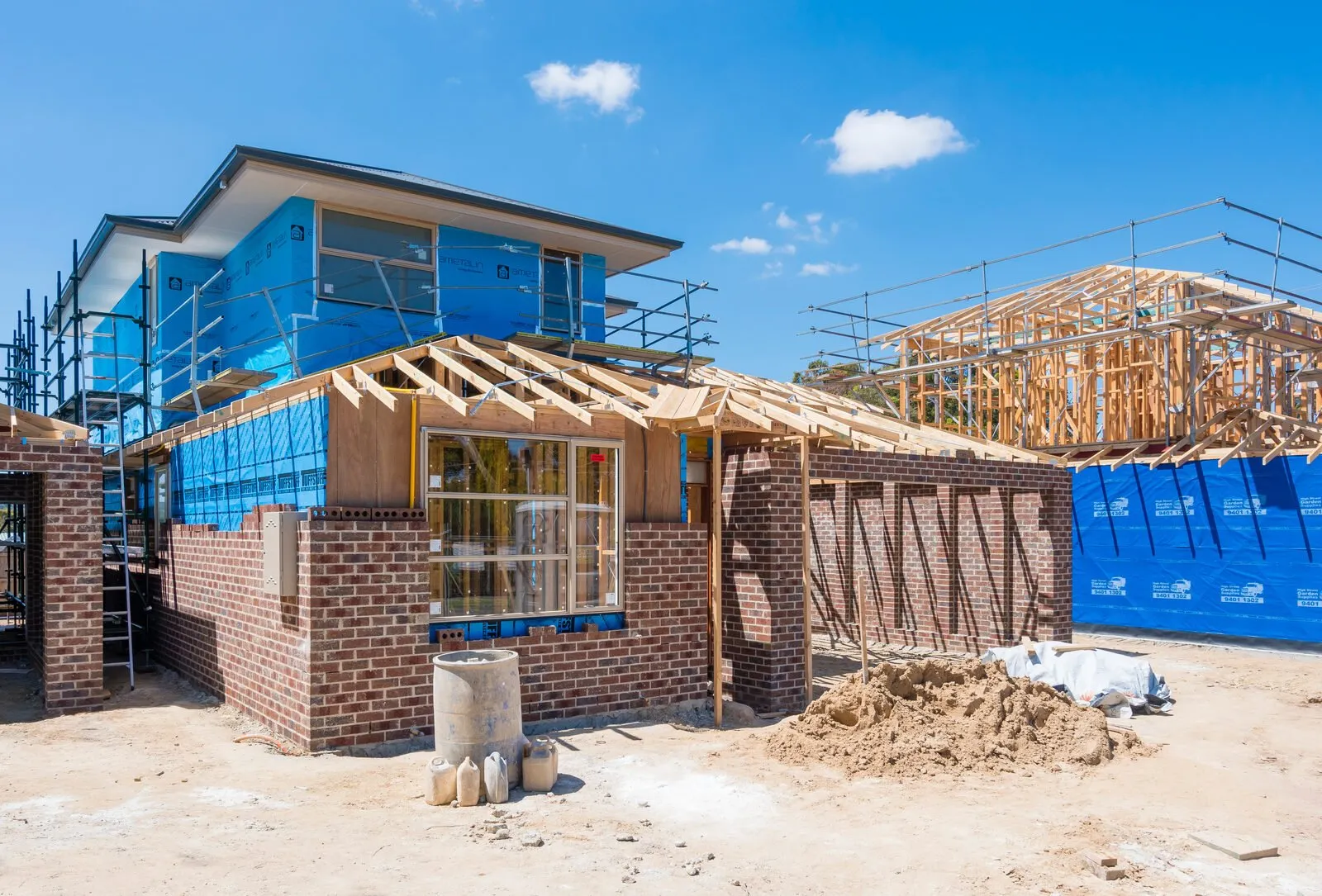
Building work affects the people either side of you, and on a narrow inner-suburban block it affects them a great deal. Noise, dust, machinery, scaffolding, and sometimes the need to physically enter their property.
Handled early, most of this is straightforward. Handled badly, it produces objections during assessment, disputes during construction, and a neighbour you live beside for the next twenty years.
Access to a neighbour's land
Building close to a boundary frequently requires access from the other side — for scaffolding, for building the wall itself, or for a retaining wall that supports both properties.
A neighbour is not obliged to grant that access. There are legal avenues in Queensland where agreement cannot be reached, but they take time and goodwill is far cheaper.
Ask early, be specific about what you need and for how long, and offer to make good anything affected. Most people agree when asked properly and refuse when surprised.
Fences and retaining walls
Dividing fences in Queensland are generally a shared responsibility between adjoining owners, with a process for agreeing work and costs. If your build requires removing and reinstating a fence, that is a conversation to have before the fence comes down.
Retaining walls are more complicated, because responsibility depends on which property the wall supports and why it exists. A wall built to support your cut is your wall; one supporting their fill is a different question.
Where a retaining wall sits on or near the boundary, agree the arrangement in writing before construction. This is one of the most common sources of neighbour disputes in sloping suburbs.
Overshadowing, privacy and objections
Where a development application is impact assessable, it goes to public notification and neighbours can make submissions, which carry appeal rights and can add months.
The issues that generate objections are predictable: overshadowing, overlooking into private space, building height and bulk close to a boundary, and parking.
Designing to address these before lodgement is far cheaper than defending them afterwards. So is telling your neighbours what you are planning before they read about it in a notice on the fence.
During construction
Site management matters here. Keeping the site tidy, controlling dust and mud, keeping work within reasonable hours, protecting shared structures and parking considerately all reduce friction enormously.
It is one of the practical benefits of an owner-run site — a builder who is there daily notices when something is causing a problem next door.
If damage does occur, deal with it immediately and in writing. Our retaining wall guide covers the boundary questions in more detail.
Get agreements in writing
Verbal agreements between neighbours are made in good faith and remembered differently. Where access, a shared fence, a retaining wall or a cost split is involved, put it in writing — an email confirming what was agreed is enough.
It matters more than it seems, because properties change hands. An arrangement agreed with a neighbour who sells two years later is worth nothing if there is no record of it.
Photograph the condition of shared structures and the neighbouring property before work begins. If damage is later alleged, a dated set of photographs resolves the question immediately.