Site Supervision: What Good Looks Like on a Residential Build
How to tell whether a site is being run well, the warning signs worth acting on early, and what to do when something is going wrong.
The variable that decides your experience
Two builders can use the same trades, the same materials and the same contract and deliver very different experiences. The difference is supervision.
Supervision is what sequences the trades so nobody is waiting, catches errors while they are cheap, keeps the site safe and tidy, and tells you what is happening before you have to ask.
It is also the thing least visible when you are choosing a builder, which is why it is worth asking about specifically.
What to ask before signing
Who supervises the site day to day, and how many other projects is that person running at the same time? In a volume operation the answer may be a dozen, which works when everything is standard and is tested when it is not.
How often will they be on site? Will the person who quoted the job be involved in running it, or does it hand over to someone you have not met?
Who do you contact when a decision is needed, and what is the expected response time?
What a well-run site looks like
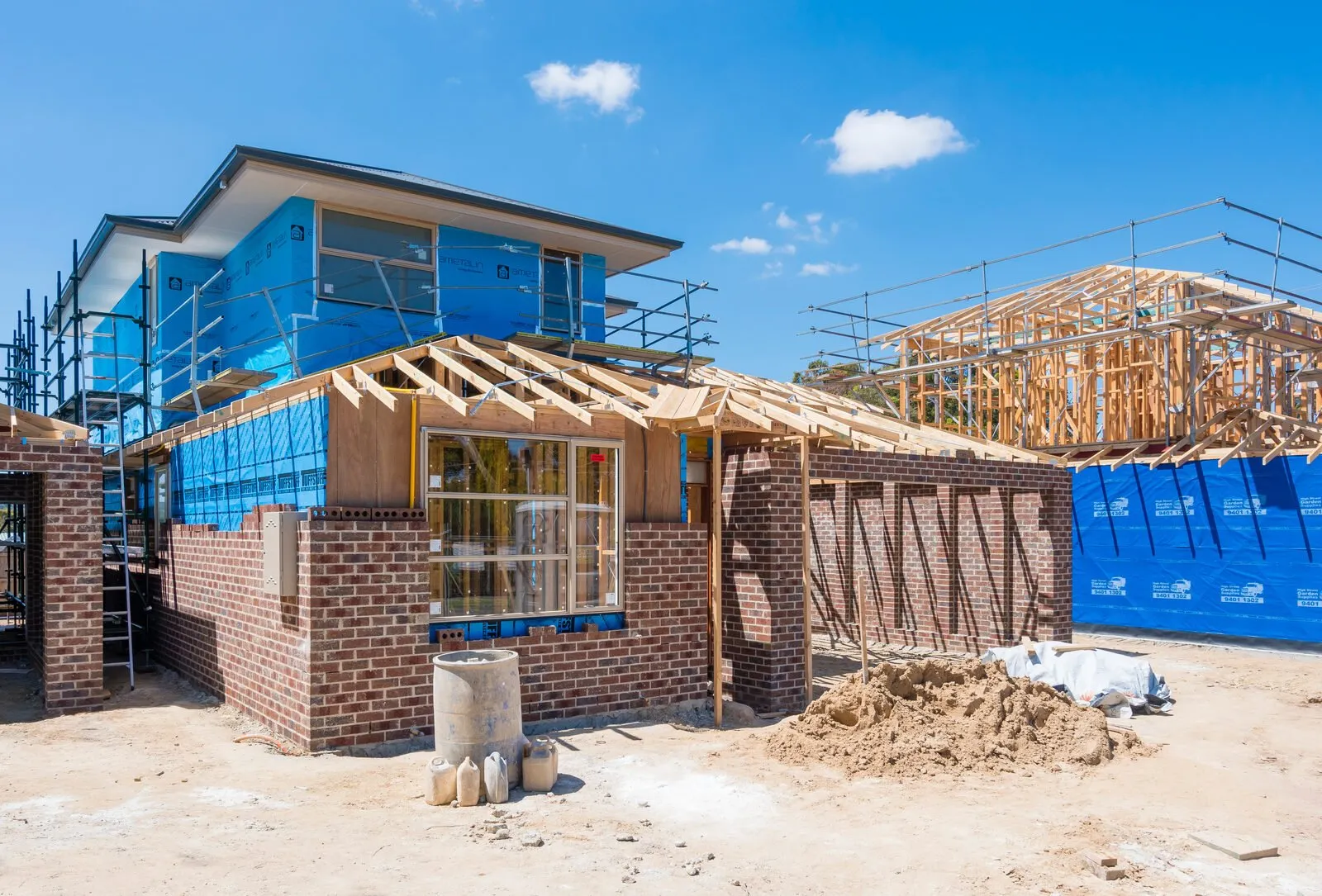
Materials stored off the ground and protected from weather. Offcuts and waste contained rather than spread. Safety measures in place — edge protection, penetrations covered, the site secured at the end of the day.
Work that looks deliberate: frames straight and properly braced, services rough-in tidy and logically routed, set-out lines visible and followed.
Trades arriving in sequence rather than tripping over each other, and the site not sitting idle for long stretches without explanation.
Ask to visit an active site before you sign. It tells you more than any finished project photograph.
Warning signs worth acting on
Long unexplained periods with nobody on site. Trades arriving to find the previous stage incomplete. The same defect appearing repeatedly. Requests for payment ahead of the stage actually reached.
Difficulty getting a straight answer about program, or a builder who becomes hard to contact.
Variations arriving after the work has been done rather than priced and approved before. In Queensland, variations to a domestic building contract must be documented, and this requirement exists for your protection.
What to do when something is wrong
Raise it early, in writing, and specifically. A dated email describing the issue is worth far more than a conversation on site, both for resolution and for any later claim.
Escalate to the builder rather than the trade. The trade works to the builder's instruction and putting them in the middle rarely helps.
For compliance concerns, the building certifier is the right person, and you are entitled to their contact details. For unresolved disputes, the QBCC has a process, and its timeframes matter.
This is the reason we run a small number of jobs with the sites run personally — our builder profile explains why the model is set up that way.
Communication is the leading indicator
The most reliable early signal of how a build will go is how a builder communicates before construction starts. Responsiveness during the quoting and contract stage tends to predict responsiveness during the job.
Agree a rhythm at the outset — a weekly update, a site meeting at each major stage, and a clear channel for decisions. Written updates are worth more than phone calls, because they create a record.
A builder who volunteers bad news early is more valuable than one who only reports progress. Problems on a construction site are normal; problems disclosed late are what become expensive.