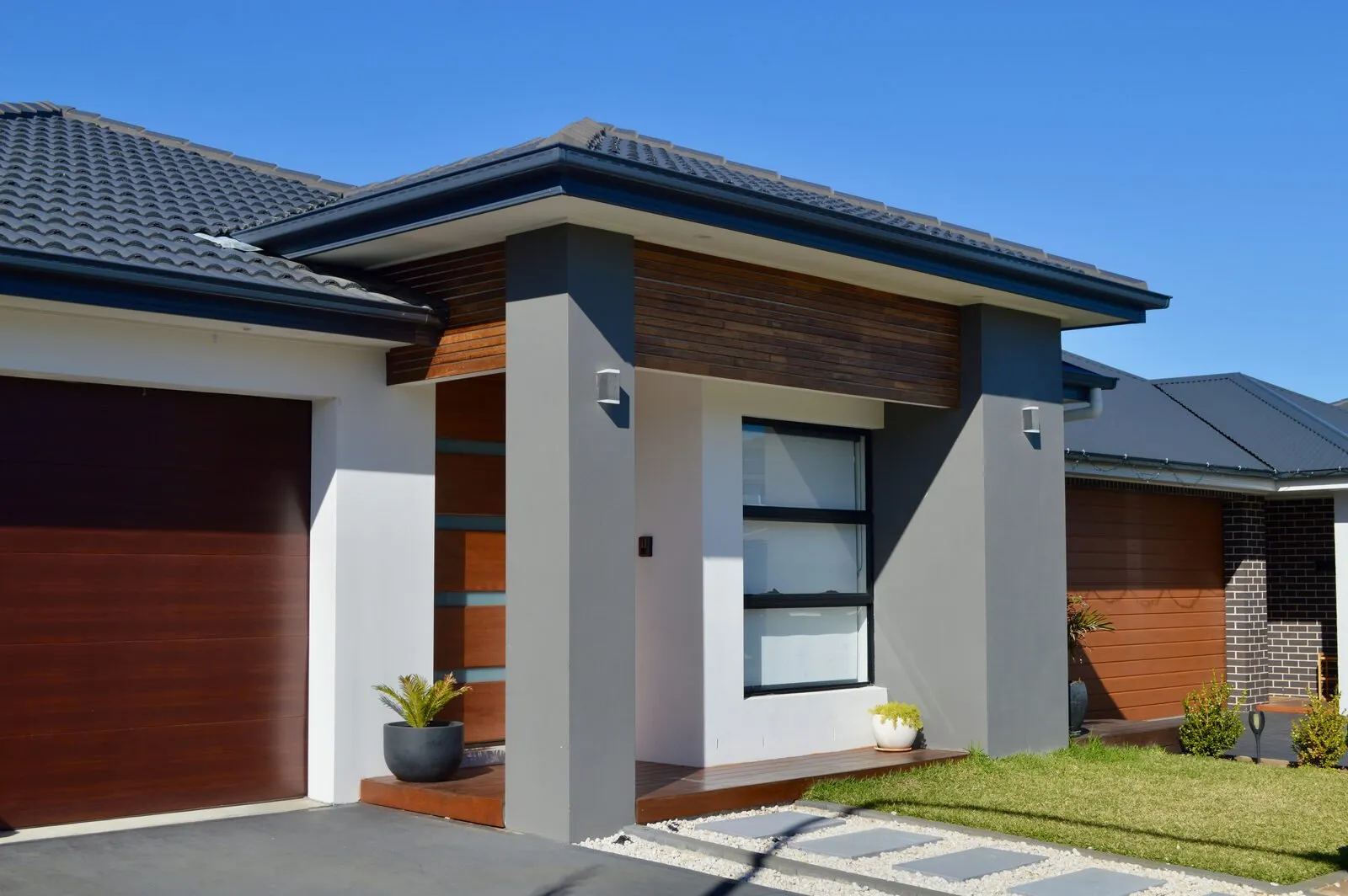
Designing an Energy Efficient Home for the Queensland Climate
Orientation, ventilation, shading, insulation and glazing decisions that keep a South East Queensland home comfortable without running the air conditioning year round.
The free decisions come first
The most effective energy efficiency measures in a subtropical climate cost nothing at design stage and everything to retrofit later. Orientation, room placement, window position and eave depth are all decided on paper, and they determine most of a home's comfort before a single product is specified.
In South East Queensland the priority is keeping summer heat out while still capturing winter sun and prevailing breezes. That is a different problem to the one southern climates solve, and a plan designed for Melbourne conditions will not perform well here.
Get these right and the mechanical systems become a supplement rather than the primary means of staying comfortable.
Orientation and shading
North-facing living areas are the goal. Northern sun is high in summer and easily shaded by an eave, and low in winter where it provides useful warmth. Western glazing is the opposite — low afternoon sun that is difficult to shade and delivers heat at the hottest part of the day.
Where western exposure is unavoidable, the answer is external shading rather than glass performance alone. Once sun has passed through the glazing, the heat is inside. Awnings, screens, deep verandahs and landscaping all work; internal blinds do comparatively little.
Eave depth is worth calculating rather than defaulting. An eave designed for the site's latitude blocks summer sun and admits winter sun on the same window.
Ventilation and layout
Cross-ventilation is the traditional Queensland answer to summer heat, and it still works. It requires openings on opposite sides of the space, an unobstructed path between them, and a plan that does not block airflow with a corridor of closed doors.
High-level openings help hot air escape, and ceiling fans extend the comfortable temperature range significantly for a fraction of the running cost of air conditioning.
Ceiling height matters too. Higher ceilings let warm air rise above the occupied zone, which is why older Queenslanders remain comfortable without mechanical cooling.
Insulation, glazing and the building envelope
Roof and ceiling insulation delivers the most benefit in this climate because the roof takes the greatest heat load. Roof colour and ventilation of the roof space both contribute as well.
Glazing performance matters most on unshaded windows. Where a window is properly shaded, standard glazing may be sufficient; where it is exposed, performance glass earns its cost. Specifying high-performance glass across the whole house regardless of orientation is a common way to spend money without proportional benefit.
Sealing the envelope against air leakage is the least visible measure and one of the more effective ones. Gaps around penetrations, downlights and junctions undermine insulation that has been paid for.
Systems and running costs
Once the building envelope is doing its job, the systems can be sized realistically. An efficient air conditioning system sized to a well-designed house costs less to install and far less to run than a large system compensating for a poor envelope.
Hot water is often the largest single energy use in a home. Heat pump and solar hot water systems both suit the Queensland climate well.
Solar generation pairs naturally with a subtropical climate, where the peak cooling load and peak generation broadly coincide. Planning roof space and orientation for panels at design stage is easier than retrofitting around an existing roof layout.