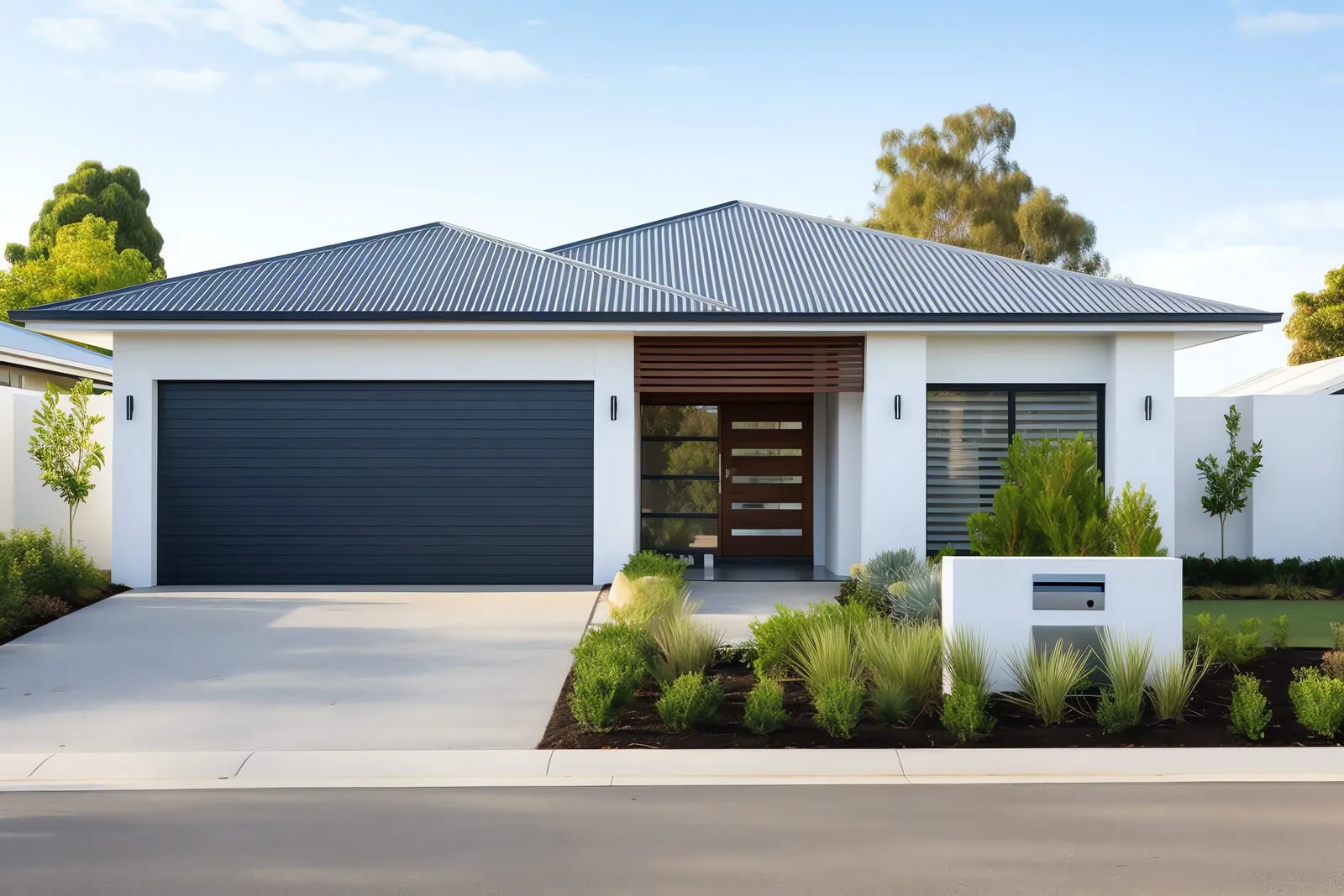
Granny Flats and Secondary Dwellings in Queensland: What's Allowed
How secondary dwellings work in South East Queensland — size limits, council rules, whether you can rent them out, and what they cost to build properly.
What counts as a secondary dwelling
A secondary dwelling — commonly called a granny flat — is a self-contained dwelling on the same lot as a house. It has its own kitchen, bathroom, living and sleeping areas, but it is not on a separate title and cannot be sold independently of the main house.
That is the key distinction from a duplex. A duplex is two dwellings that can often be separately titled and sold. A secondary dwelling stays attached to the parent lot, which makes it simpler to approve but limits what you can do with it later.
Secondary dwellings can be attached to the main house, built underneath it, converted from an existing garage or undercroft, or built as a detached structure in the yard.
The rules vary by council
Queensland does not apply one set of secondary dwelling rules statewide. Each local government sets its own controls through its planning scheme, and they differ meaningfully between Brisbane, Gold Coast, Logan, Moreton Bay, Ipswich, Sunshine Coast and Redland.
The controls that usually matter are maximum gross floor area, minimum lot size, setbacks, height, car parking, private open space, and site cover. Some councils allow a larger secondary dwelling than others, and some are more restrictive about detached structures than attached ones.
Queensland also removed the statewide restriction that previously limited who could occupy a secondary dwelling, which opened up renting to the general market in many areas. Whether that applies to your property still depends on your council's current planning scheme, so it needs to be confirmed for the specific lot rather than assumed.
Why people build them
The most common reasons are multi-generational living — accommodating ageing parents or adult children while keeping independence on both sides — and rental income from an existing block.
There is also a resale argument. A well-built secondary dwelling adds usable, flexible space to a property, and buyers value the optionality even if they do not intend to rent it out.
The economics work best where the block already has services, reasonable access, and room for the structure without compromising the main house's yard or outlook.
What drives the cost
Services are the first consideration. Extending water, sewer, stormwater and power to a detached structure at the rear of a block costs more than building an attached dwelling that ties into existing service points.
Access is the second. If a concrete truck and delivery vehicles cannot reach the build location, materials have to be handled differently, and that adds labour to every stage.
The rest is standard building cost, concentrated into a small footprint. A secondary dwelling has a kitchen, a bathroom and a laundry in a fraction of the area of a house, which makes its cost per square metre higher than the main dwelling even though the total is much lower.
Before you commit
Check the zoning, minimum lot size, and secondary dwelling provisions in your council's planning scheme against your specific property. Confirm setbacks, maximum floor area and parking requirements before paying for design.
Check for overlays — flooding, character, vegetation, bushfire — since these can restrict where a structure can be placed even where a secondary dwelling is otherwise permitted.
If you would like us to check your block and give an honest read on whether a secondary dwelling works there, send through the address and what you have in mind.