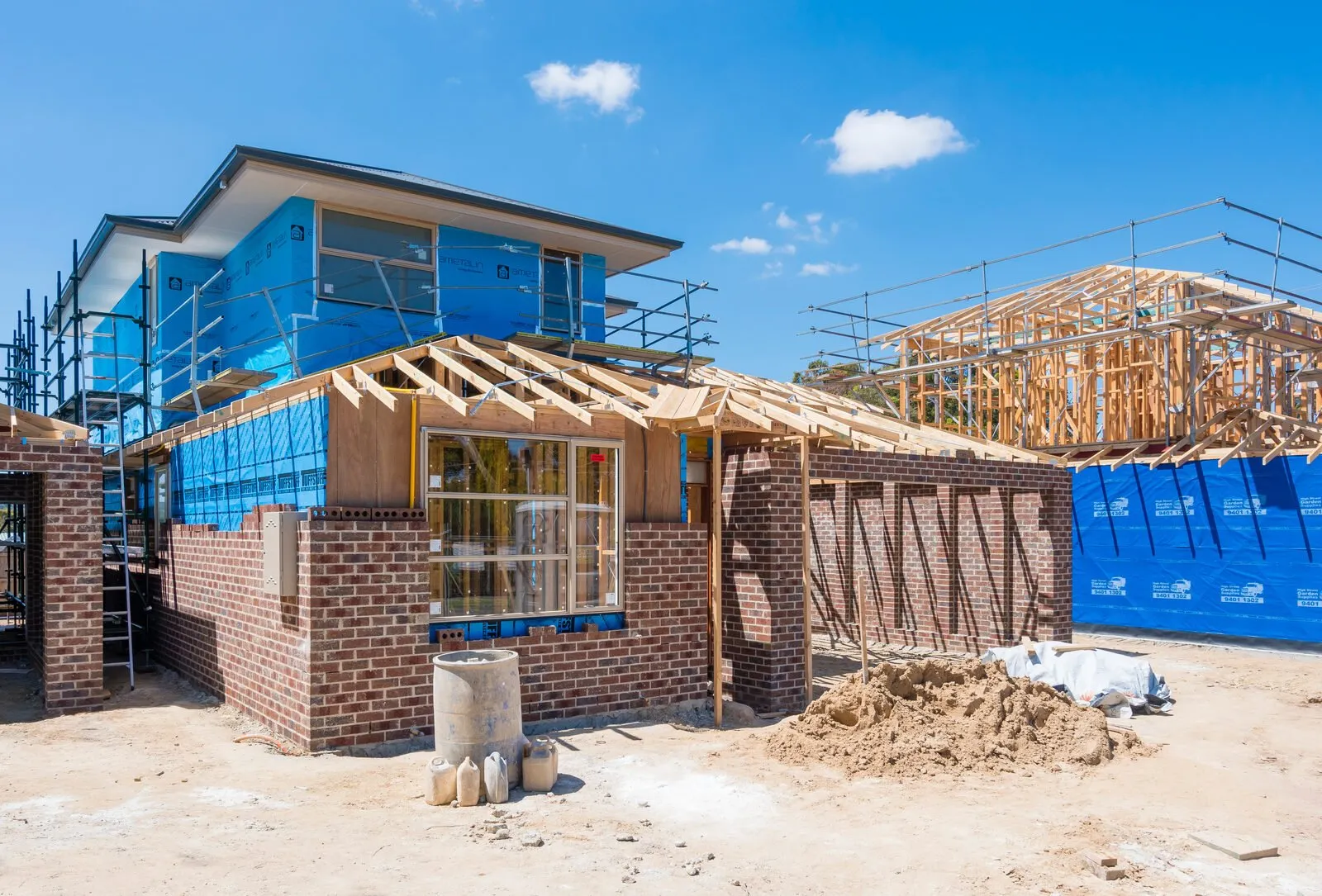
What Are Site Costs, and Why Were They Not in My Quote?
The line items that turn an attractive advertised price into a much larger final number, and how to get them priced properly before you sign anything.
The gap between the advertised price and the real one
Advertised build prices generally describe a house on a hypothetical block: flat, stable soil, services at the boundary, clear access, no overlays. Very few real blocks are that block.
Everything required to make your actual site buildable falls under what the industry calls site costs, and on a difficult block they can add a substantial fraction to the total.
This is not automatically dishonest. It becomes dishonest when a builder knows the site costs will be significant, prices them as a token allowance to win the job, and adjusts later when you are committed.
What is actually in a site cost
Footings are usually the largest component. The site classification under AS 2870 determines whether you need a conventional slab or an engineered system, and reactive clay across much of South East Queensland pushes many sites into the expensive category.
Earthworks and retaining follow. A cross-fall means cut and fill, retaining walls, and drainage design, and retaining near a boundary may need engineering and neighbour agreement.
Service connections come next: water, sewer, electricity, stormwater, and gas where used. Distance to the connection point, and whether the existing infrastructure has capacity, both matter.
Then demolition where an existing house is involved, including licensed asbestos removal. Then access — whether concrete trucks and cranes can reach the work, or whether pumping and smaller loads are required.
Finally, anything an overlay imposes: a higher floor level for flood, bushfire construction requirements from a BAL assessment, or vegetation constraints on where the house can sit.
Why some builders leave them out
Partly because a lower headline number wins more enquiries, and partly because pricing site costs properly requires investigation the builder has to pay for before they have a signed contract.
A soil test, a survey and a property report cost real money, and a builder quoting five jobs to win one has an obvious incentive to skip them and use an allowance instead.
The result is a quote that looks competitive and is not comparable to a quote that includes properly investigated site costs. Comparing the two on price alone is comparing different things.
How to compare quotes fairly
Ask every builder what site classification they have priced to, and whether they have a soil test for your block or are using an assumption. If it is an assumption, the quote is provisional regardless of what it says at the top.
Ask what the allowance is for earthworks and retaining, and whether it is based on a survey. Ask how service connections are priced and whether the distances have been confirmed.
Ask which items are provisional sums or prime cost items, and what happens if the actual cost exceeds them. Provisional sums are where an optimistic quote quietly becomes an expensive one.
A quote with a small number of specific provisional sums is normal. A quote with broad allowances covering most of the site work is not a fixed price in any meaningful sense.
What we do instead
We complete the site investigation before quoting — soil test, survey and property report — so the footing system, the earthworks and the overlay requirements are in the first number you see.
It makes our estimate slower to produce and occasionally higher than a competitor's opening figure. It also makes it far more likely to be the number you actually pay, which is the only comparison that matters at the end.
If you are weighing up quotes on a specific block, we are happy to look at what you have been given and tell you what is missing. Our Brisbane new home page sets out the four checks we complete before pricing.