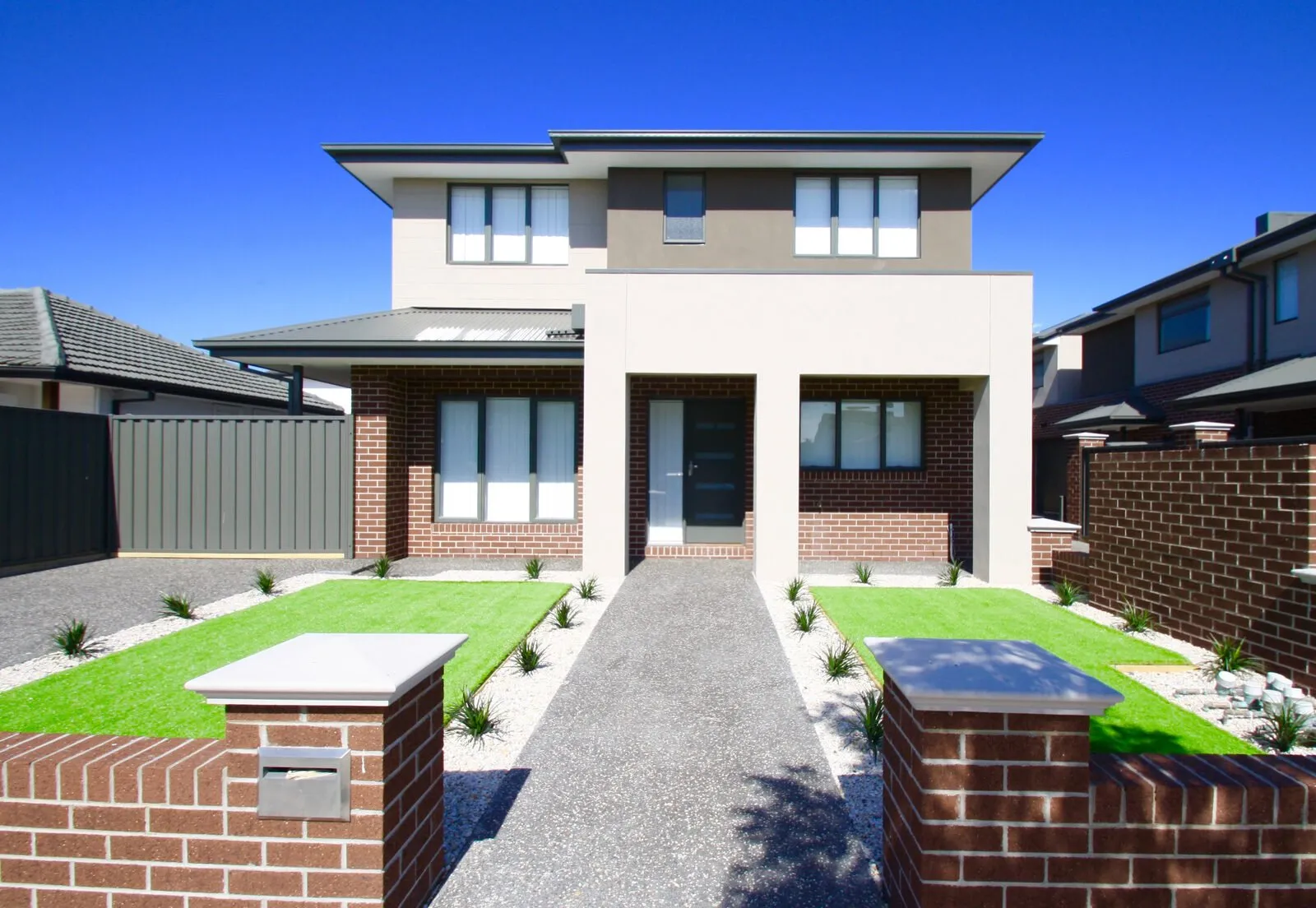
Building in Camp Hill
Camp Hill is one of the Brisbane suburbs where the overlay position genuinely varies street by street. Pre-war Queenslanders and workers' cottages sit alongside post-war brick and timber homes, and what you can do depends heavily on which you have bought.
That makes the council property report the first step rather than a formality. Two apparently similar houses a block apart can have entirely different options.
Housing stock: Mixed pre-war Queenslanders and workers' cottages alongside post-war brick and timber homes, on gently sloping blocks.
Check the overlay before you plan anything
Where a house is pre-1947 and sits in a character area, demolition is restricted and new work is assessed against the streetscape. Where it is post-war and outside those provisions, a knockdown rebuild is generally achievable.
The difference determines the entire project — whether you are planning a raise-and-build-under or a new house — so it needs establishing before you pay for design.
The property report is a free search and takes minutes. Doing it before you make an offer is better still.
Gentle ridges and workable blocks
Camp Hill runs across gentle ridges toward Whites Hill, and while the ground is rarely flat, the falls are generally manageable rather than severe.
That makes a wider range of projects viable than in the steeper inner suburbs — rear extensions with genuine outdoor living, off-street parking, and in many cases a pool, without the earthworks bill that a Bardon or Paddington block would carry.
Access is usually straightforward, which takes real cost out of a project compared with a narrow inner-city site.
What the post-war stock needs
The post-war housing here is generally structurally sound and almost universally under-insulated, with small separated rooms, living areas facing the wrong way, and no real connection to the yard.
The high-value work is opening the rear of the plan, creating covered outdoor living, improving cross-ventilation and insulating properly. These change how the house lives far more than a new kitchen does.
Asbestos is likely in anything built before the late 1980s, commonly in eaves and wet area sheeting, and requires licensed removal with documentation. We establish that position before contract rather than after demolition begins.
What we build in Camp Hill
- Raise and build under on character blocks
- Rear extensions and outdoor living
- Knockdown rebuild on post-war sites
- Post-war renovation and reorientation
- Insulation and envelope upgrades
Pockets we work in
- Old Cleveland Road corridor
- Whites Hill
- Martha Street
- Bennetts Road
- Camp Hill village
Camp Hill building questions
Can I knock down and rebuild in Camp Hill?
It depends entirely on the house and the street. Post-war homes outside character provisions can generally be replaced. Pre-1947 houses in character areas are protected and demolition is restricted. Check the council property report before you make an offer.
Is Camp Hill steep?
Gently sloping rather than steep. The falls are usually manageable, which makes rear extensions, outdoor living and pools more viable here than in the steeper inner character suburbs, without the earthworks bill.
What do post-war Camp Hill homes usually need?
Opening the rear of the plan, real outdoor living, better cross-ventilation and insulation. The structures are typically sound; the envelope and the layout are what let them down. Asbestos in eaves and wet areas is likely and needs licensed removal.
Building in Camp Hill? Send us the address.
We will pull the property report, check the overlays and the site conditions, and come back with a straight assessment before any fees are involved.