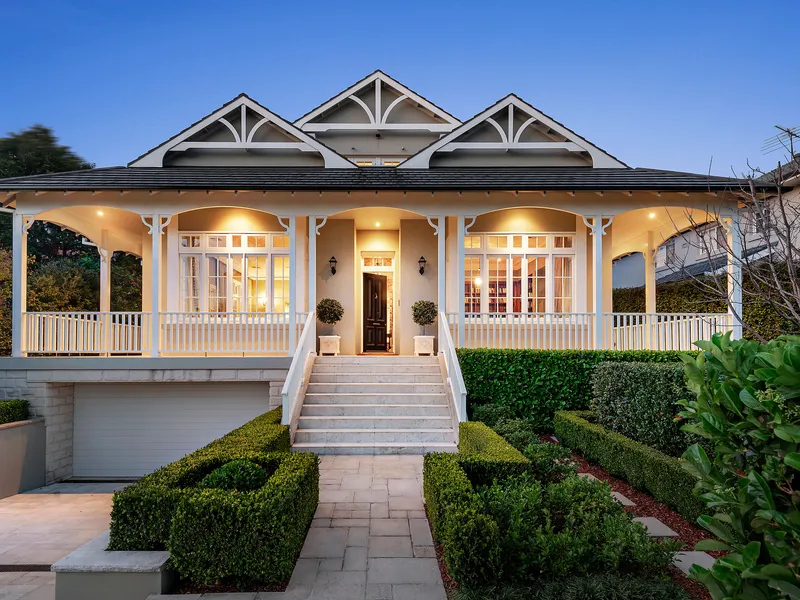
Buying in Brisbane: Queenslander or Modern Home?
What each type actually costs to own and improve, the constraints that come with character housing, and how to decide which suits you.
Two different propositions
Buyers in Brisbane's inner suburbs frequently face a choice between a period Queenslander needing work and a more modern house that is ready to live in.
They are not the same purchase. One is a project with upside and constraints attached; the other is a finished product with less headroom. Which suits you depends on your tolerance for a building program and your time horizon.
What you get with a Queenslander
The housing type is genuinely well suited to the climate. High ceilings, verandahs, elevated floors, and plans that let breeze move through were designed for exactly this weather, before air conditioning existed.
The location tends to be better, because the character suburbs are the older ones closest to the city. And the raise-and-build-under option means significant additional floor area is available on land you already own.
Character housing in intact streetscapes also holds value well, because supply is fixed — no more of them are being built and the overlay stops them being removed.
What comes with it
Constraints, principally. Inside a character area, demolition is restricted and any work to the street elevation is assessed against the streetscape. You do not have a free hand.
Condition, too. A hundred-year-old timber house will have stumps at or near the end of their life, likely termite damage, previous unapproved alterations, wiring past its service life, failing plumbing and no insulation. All of it is fixable and none of it is cheap.
And ongoing maintenance. Timber, paint and roofing on a period house need more attention than a twenty-year-old brick home.
What a modern home offers
Predictability. A house built in the last twenty years is built to modern standards, with insulation, compliant wiring and plumbing, and no asbestos.
Lower immediate cost of ownership, and none of the overlay constraints — extensions, second storeys and knockdown rebuilds are all generally achievable.
The trade-offs are location, since the newer stock is generally further out, and design quality, since a great deal of it was built quickly with living areas facing the wrong way and minimal eaves.
How to decide
If you want to be in a specific inner suburb, have the appetite for a building project, and intend to hold long term, the Queenslander is usually the better proposition. The constraints protect the value.
If you need to move in and get on with life, or the budget cannot carry both purchase and renovation, the modern house is the honest answer.
Before committing to either, pull the council property report. It tells you what is permitted, and on a character block that determines your options entirely. Our character overlay guide covers what is actually restricted.
Budget for the whole picture
If you are considering a Queenslander needing work, budget the purchase and the renovation together, and get a structural assessment before committing rather than after.
The items that consistently surprise buyers are stumps, subfloor framing, full services replacement and asbestos removal, none of which are visible at an open home and all of which are substantial.
Also confirm the overlay position and any flood mapping before you make an offer. On a character block those two numbers determine what you are permitted to do, and therefore whether the project you have in mind exists at all.