Roof Design for the Queensland Climate: Pitch, Eaves and Material
How roof form drives comfort, running cost and solar potential in a subtropical climate — and why eave depth is the most valuable dimension in the whole house.
The most consequential surface on the house
The roof takes the full intensity of Queensland sun for the life of the building, sheds subtropical downpours, carries the solar system, and through its eaves determines how much sun reaches the walls and windows below.
It is also where a great deal of contemporary residential design goes wrong, because roof forms are frequently chosen for how they look in an elevation rather than for what they have to do in this climate.
Eaves are the highest-value dimension in the house
A generous eave shades the wall and window below from high summer sun while still admitting lower winter sun. On a north-facing elevation, a properly sized overhang does both jobs automatically with no moving parts and no running cost.
It also protects the wall from driving rain, keeps water away from the window heads and the base of the wall, and reduces the thermal load on the building envelope.
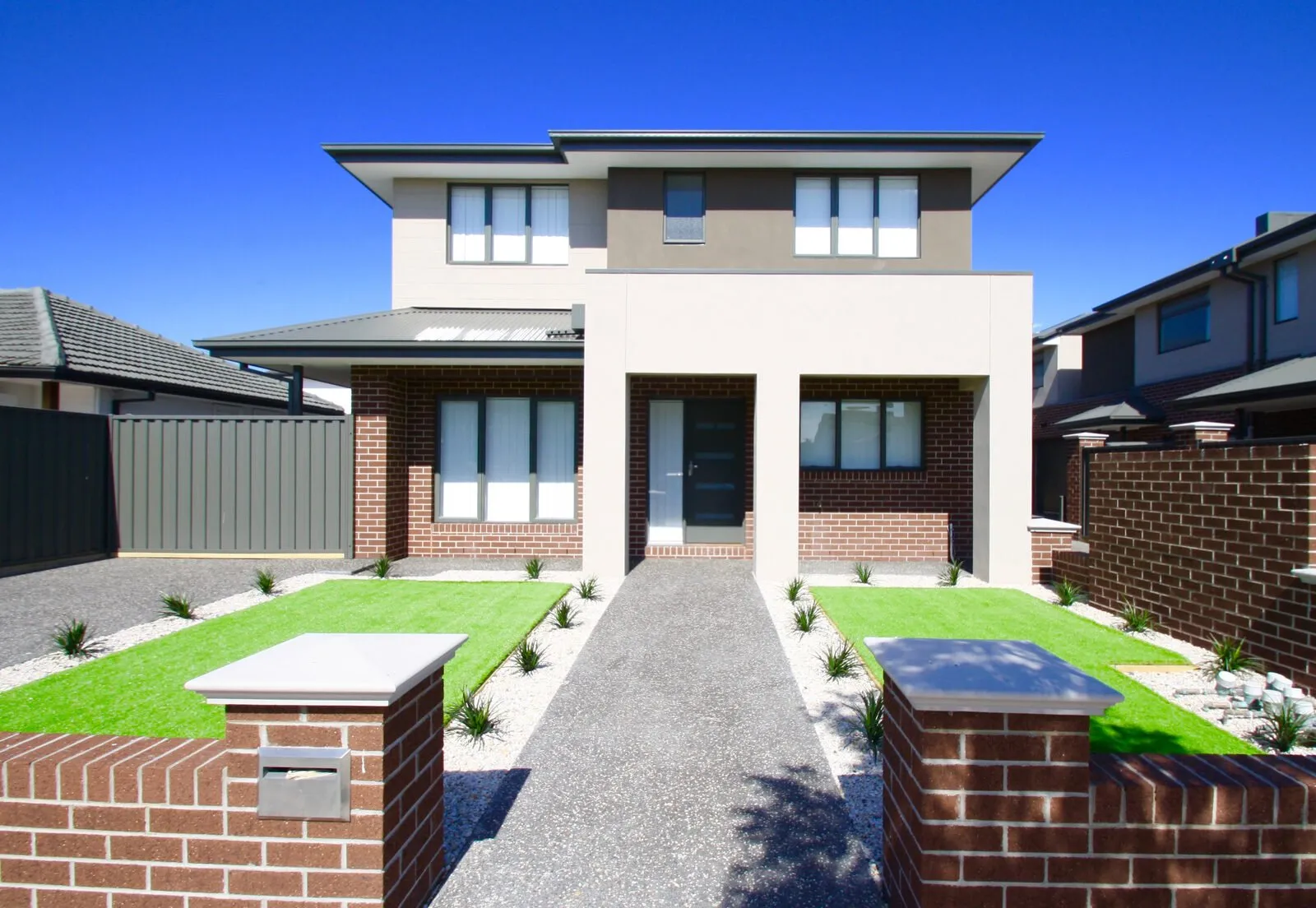
The contemporary preference for minimal or zero eaves is the single most climate-hostile trend in Australian housing. It looks crisp in a photograph and it produces a house that is hotter, wetter around the openings, and more expensive to run.
If you are trading anything off in a Queensland design, do not trade the eaves.
Pitch, form and what each does
A traditional pitched roof creates roof space, which is thermally useful — a ventilated cavity between the hot roof surface and the ceiling below, with room for substantial insulation.
A low-pitch or skillion roof gives a contemporary form and can be excellent for solar, but reduces or removes that buffer space, which makes ceiling insulation and roof space ventilation more critical rather than less.
Flat roofs on residential buildings in a high-rainfall subtropical climate demand exceptional detailing. They can work, and they fail expensively when they do not.
Complexity is worth watching. Every hip, valley and junction is a potential leak point and a break in the usable solar area. A simple roof form is cheaper to build, less likely to leak, and better for panels.
Material
Metal sheeting is the dominant choice in Queensland for good reasons — light, quick to install, works at low pitches, sheds heavy rain readily, and pairs naturally with rainwater collection.
Colour matters more than people expect. A light-coloured roof reflects substantially more solar radiation than a dark one, and in this climate that difference is measurable in comfort and cooling cost. Dark roofs are popular and they are working against you every summer afternoon.
Tiles have more thermal mass and can be quieter in rain, but are heavier, need a steeper minimum pitch, and the battens and sarking underneath do more of the weatherproofing work than the tiles themselves.
Near the coast, corrosion resistance governs. Sheeting, fixings and flashings all need to be appropriate to the salt exposure, and mixing incompatible metals causes rapid corrosion at the junction.
Gutters, downpipes and the wet season
South East Queensland gets intense short-duration rainfall, and gutter and downpipe sizing needs to reflect that rather than an annual average. Undersized guttering overflows in exactly the storms that matter, usually back into the eaves.
Gutter falls, adequate downpipe numbers, and overflow provisions that direct water away from the building are all detail decisions that show up only in a heavy event.
Roof space ventilation is the companion item. A well-ventilated roof space runs dramatically cooler than a sealed one, which reduces the heat load on the ceiling below.
We design roof form, eaves and orientation together, because they are the same decision. Our guide to orientation covers the other half of it.