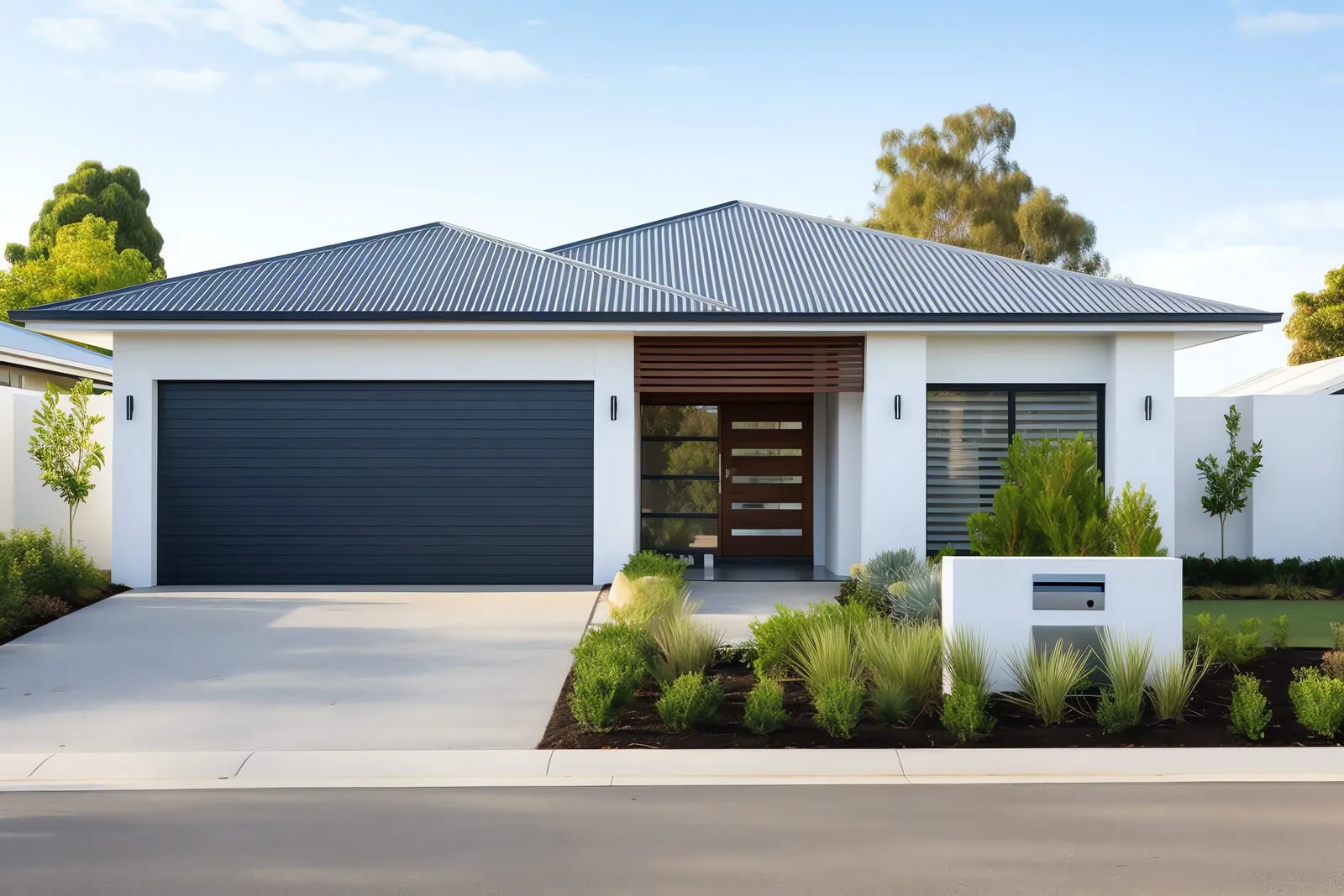
Solar and Battery on a New Queensland Home: What to Do at Build Stage
Why the roof design decides your solar outcome, what to pre-wire even if you are not installing yet, and how to avoid the retrofit costs most owners pay later.
The decisions that are cheap now and expensive later
Queensland has the best solar conditions in the country and among the highest rooftop solar uptake in the world. Most new homes here will have solar at some point, whether it goes on at handover or five years afterwards.
That makes solar a design decision rather than a purchase decision. The things that determine how well a system performs — roof orientation, roof pitch, unobstructed roof area, cable pathways and switchboard capacity — are all fixed during construction.
Getting them right costs almost nothing at design stage. Correcting them afterwards ranges from expensive to impossible.
Roof design decides the outcome
North-facing roof area produces the most total energy across a day. West-facing produces less overall but generates in the late afternoon, which matches household peak demand and is often more valuable if you are consuming rather than exporting.
The practical answer for most Queensland houses is north for total generation with some west if the roof allows it, and the decision should be made while the roof form is still on paper.
Roof pitch matters less than orientation but still matters. So does keeping a usable expanse clear — a roof broken up by multiple hips, valleys, vents, skylights and air conditioning units may have very little contiguous area left for panels.
Shading is the other factor. A neighbour's mature tree or a two-storey building to the north will cost you more generation than any equipment choice will recover.
What to pre-wire even if you are not installing yet
Conduit from the roof space to the switchboard is the obvious one, and it is trivial while the walls are open.
Switchboard capacity and physical space for the additional equipment matters more than people expect. A board sized exactly for the initial load leaves no room for a solar inverter, a battery system or an EV charger later.
Conduit from the switchboard to the garage for a future EV charger is worth doing at the same time. The cable run through a finished house is the expensive part, not the charger.
If a battery is likely, plan its location now — a shaded, ventilated position with adequate clearances, not a west-facing external wall in full afternoon sun, which shortens battery life considerably.
Sizing and the economics
The economics of rooftop solar in Queensland have shifted. Feed-in tariffs are far lower than they once were, which means the value now comes from consuming your own generation rather than exporting it.
That changes optimal system design. Rather than maximising total generation, the aim is matching generation to when the household actually uses power, which is what makes west-facing panels and batteries more attractive than they were a decade ago.
It also means shifting usage — running the dishwasher, pool pump and washing machine during the day — is worth more than adding panels.
Export limits imposed by the network in some areas can also cap what a system delivers, and they are worth checking before sizing.
Hot water is often the better first investment
Water heating is one of the largest single electricity uses in a typical home. A heat pump hot water system, or a solar hot water system, frequently delivers a better return than the equivalent spend on additional panels.
A heat pump paired with a timer set to run in the middle of the day effectively turns your roof generation into stored hot water, which is a cheaper form of storage than a battery.
Whatever you choose, decide the hot water system before plumbing rough-in, because the location and type affect the plumbing and electrical layout.
We plan roof form, conduit and switchboard capacity for this on every new build. Our guide to orientation covers the design decisions that reduce the load in the first place.