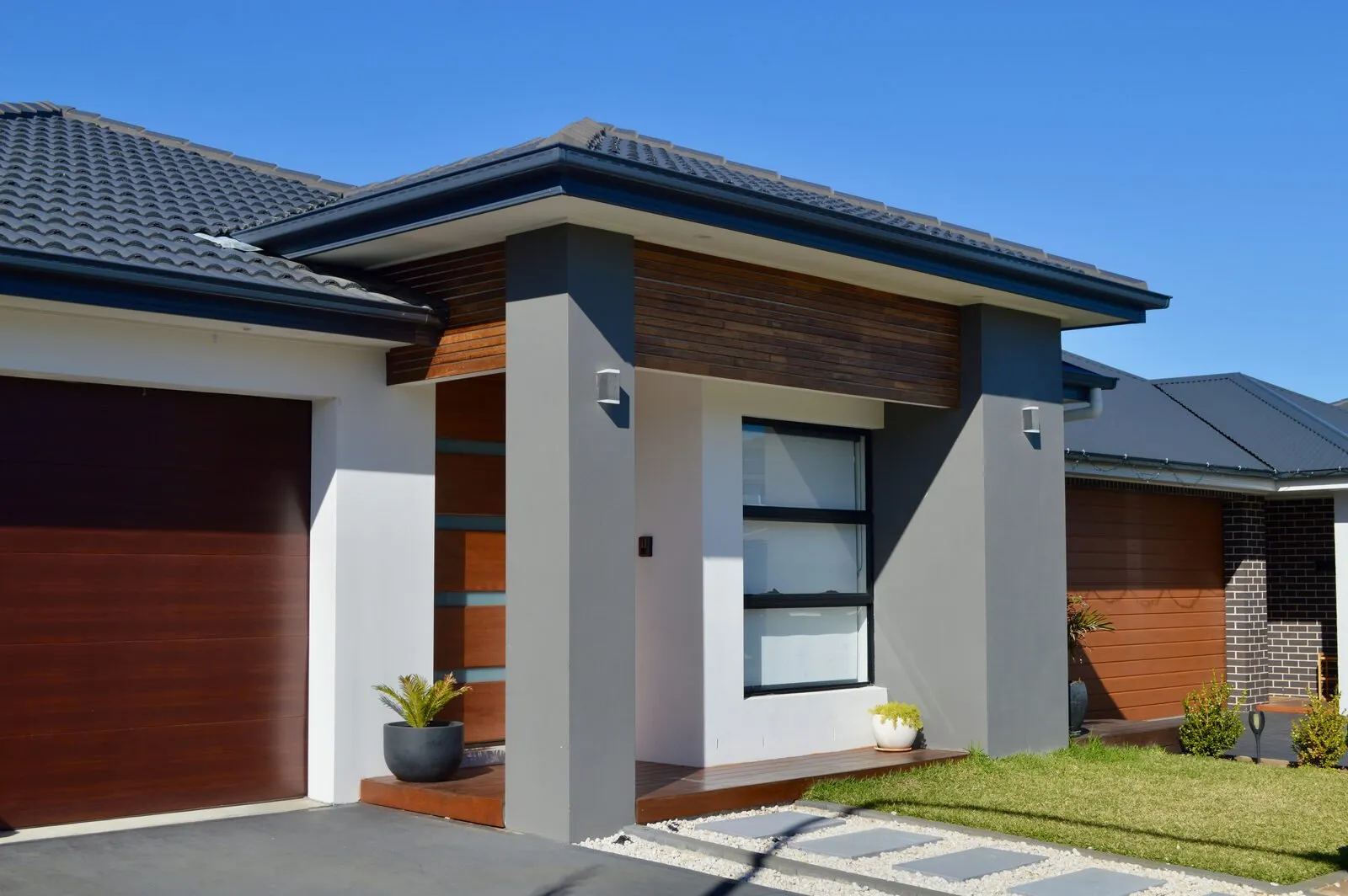
Choosing Windows for a Queensland Home
Why window selection is a thermal decision before an aesthetic one, what the ratings mean, and where glazing money is well spent and wasted.
The largest thermal weakness in any house
Windows are where a building envelope is weakest. A wall assembly with insulation performs many times better than the glass beside it, so the size, orientation and specification of glazing does more to determine comfort than almost any other product decision.
In Queensland the problem is heat gain rather than heat loss, which changes what you should be optimising for and where the money is worth spending.
What the ratings actually mean
Australian windows are rated for U-value and Solar Heat Gain Coefficient. U-value measures how readily heat conducts through the assembly. SHGC measures how much solar radiation passes through.
In a cold climate you want a low U-value to keep heat in. In Queensland, SHGC generally matters more, because the dominant problem is solar radiation entering and heating the room.
A low SHGC on west-facing glass is worth far more than the same spend on a north-facing window that is already shaded by an eave.
Shading beats glazing specification
This is the point most often missed. External shading stops solar radiation before it reaches the glass. Performance glazing reduces what gets through after it has arrived.
A properly sized eave over a north-facing window blocks high summer sun while admitting lower winter sun, for no running cost and no product premium. That is a better outcome than expensive glass with no eave.
On the west, where sun arrives low and no overhang works, external screens, louvres, a verandah or planting outperform any glass specification. Internal blinds are the least effective option because the heat is already inside.
Frames, operation and coastal exposure
Aluminium frames conduct heat readily; thermally broken aluminium and timber perform better, at higher cost. Whether that upgrade is worth it depends on how much glazing you have and how well shaded it is.
Operation matters for ventilation. Casement and awning windows catch and direct breeze far better than sliding windows, which only ever open half their area. On a house relying on cross-ventilation, that difference is real.
Near the coast, hardware and fixings need corrosion resistance matched to the exposure. This is a specification decision at design stage, not a substitution on site.
Where to spend, in order
First, get the orientation and the eave depth right, because both are free at design stage. Second, shade the western glazing externally. Third, choose operation types that actually ventilate. Fourth, upgrade glazing performance where glass is large or unavoidably exposed.
Doing it in that order meets Queensland's energy requirements at the lowest cost and produces a more comfortable house than starting with the product catalogue. Our orientation guide covers the free half of this.
Sizing and placement
Bigger is not better in this climate. A large expanse of unshaded glass is a thermal liability, and the comfort penalty is felt every summer afternoon.
What matters more than total area is placement: openings on opposite or adjacent walls so air can cross a room, high-level glazing that brings light without heat or privacy loss, and glass concentrated on the north where an eave can control it.
Also consider what each window looks at. A window facing a boundary fence a metre away delivers heat and no outlook, and is usually better replaced with high-level glazing that gives light without the view.